
You've tried adjusting your pillow. You've experimented with sleeping positions. You've woken up stiff, sore, and exhausted more mornings than you can count, and you're starting to wonder whether your mattress is the problem. Walk into any bed shop or scroll through any retailer's website, and you'll see "orthopaedic" stamped across dozens of products with very little explanation of what the word actually means.
This guide cuts through the marketing noise. Here, you'll find a clear explanation of what an orthopaedic mattress is, whether the evidence supports its use for back pain, what the term actually tells you (and what it doesn't), how to compare options at different price points, and what to look for before you spend your money. Whether you're dealing with chronic lower back pain, recovering from injury, or simply overdue for a mattress upgrade, this is the information you need to make a confident decision.
What is an orthopaedic mattress? An orthopaedic mattress is a mattress specifically designed to support the joints, back, and musculoskeletal system during sleep. It typically features firmer support layers, targeted pressure relief zones, and materials engineered to maintain the spine's natural alignment overnight.
Does it help with back pain? Yes, clinical evidence and expert consensus suggest that a supportive mattress designed for correct spinal alignment can significantly reduce back pain for many people, particularly those with chronic lower back conditions. However, not all products labelled "orthopaedic" are equally effective, and the term itself is unregulated.
What Exactly Is an Orthopaedic Mattress?
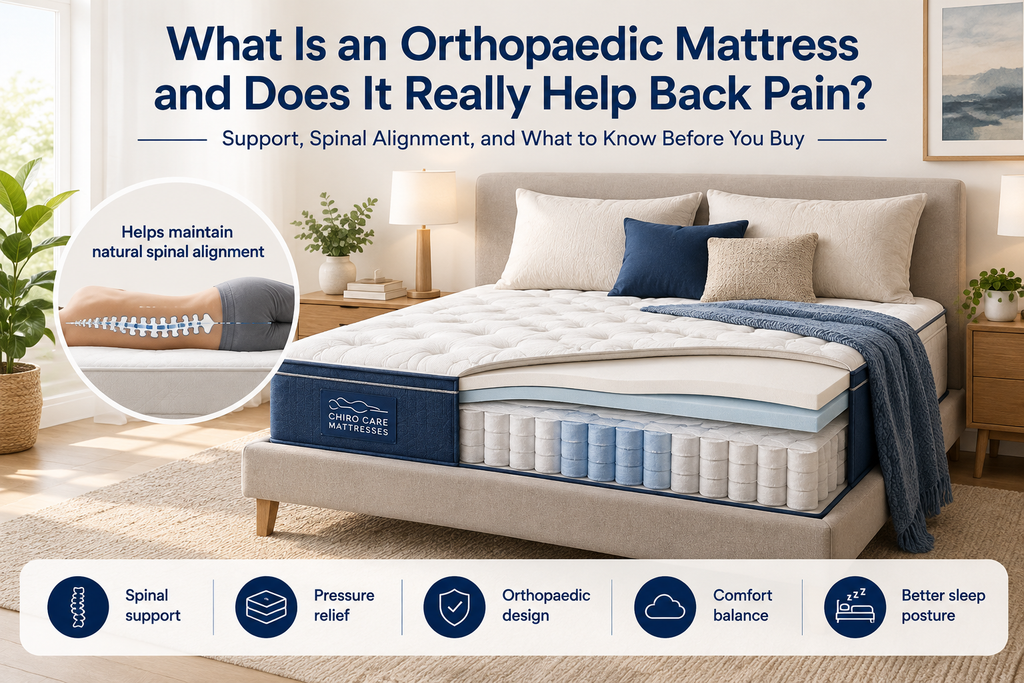
An orthopaedic mattress is defined as a mattress engineered specifically to support the spine, joints, and musculoskeletal system, going beyond general comfort to actively promote correct spinal alignment during sleep. In simple terms, it is a mattress built with back and joint health as its primary design objective, rather than softness or luxury as afterthoughts.
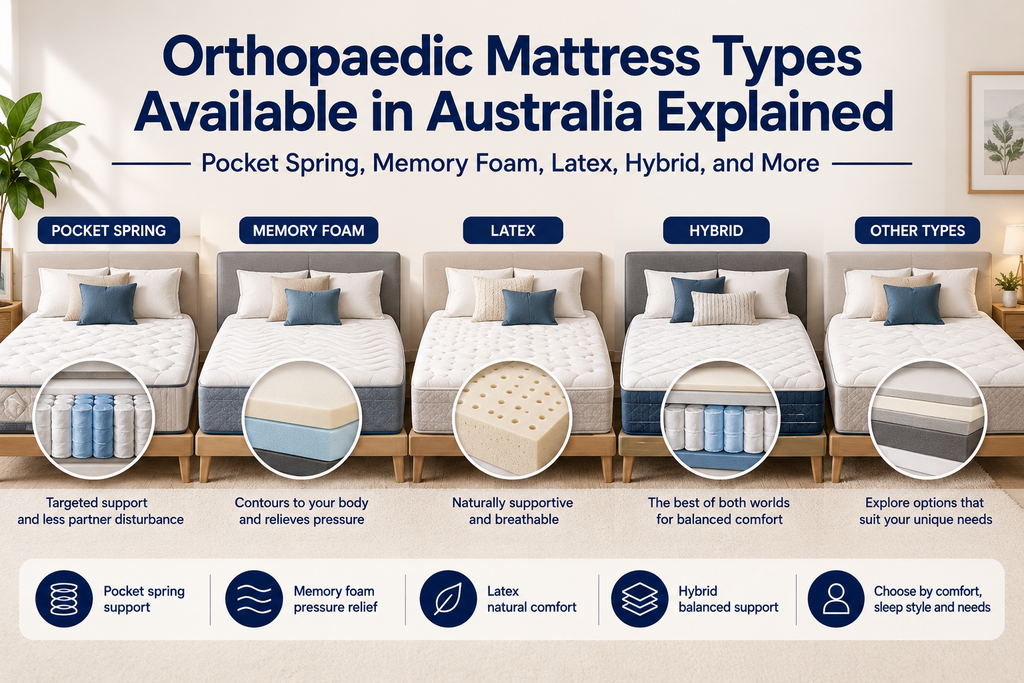
Typical construction includes high-density foam layers, zoned pocket spring systems, or hybrid combinations of both. The key engineering feature is zoned support, different areas of the mattress offer varying degrees of firmness to respond to the weight and pressure demands of different body parts. The hips and shoulders, which carry the most weight, receive targeted pressure relief, while the lumbar region receives firmer support to prevent the spine from sinking out of alignment.
Where a standard mattress is designed for broad comfort, a genuinely orthopaedic mattress is designed with a clinical purpose: keeping your spine in a neutral position for the six to eight hours your body spends in recovery mode each night.
Brands like Chiro Care Mattresses take this further by developing their products in consultation with chiropractors and back care specialists, a meaningful distinction from manufacturers that apply the label as a marketing term alone.
Is "Orthopaedic" a Regulated Term?
Here is the critical fact that most mattress marketing glosses over: "orthopaedic" is not a regulated term in the UK, the US, or Australia. Any manufacturer can apply the label to any product without meeting a defined standard, passing clinical testing, or obtaining professional certification.
This does not mean orthopaedic mattresses are a myth, it means the label alone is not enough to guide your purchase. Informed buyers should look beyond the branding and seek:
- Third-party professional endorsements: chiropractor-approved, physiotherapy-reviewed, or endorsed by a recognised health body such as the British Chiropractic Association
- Evidence of clinical testing or development in consultation with musculoskeletal specialists
- Transparent construction details: materials, support zones, and firmness ratings disclosed clearly
The word "orthopaedic" on a mattress label is a starting point, not a guarantee. Knowing this puts you ahead of most buyers in the market.
Does an Orthopaedic Mattress Actually Help Back Pain?
Yes, when correctly designed and matched to the individual's sleep position and body type, an orthopaedic mattress can meaningfully reduce back pain. The mechanism is straightforward: poor spinal alignment during sleep places sustained stress on the muscles, ligaments, and intervertebral discs. A mattress that supports the spine's natural curve reduces that stress, allowing muscles to relax and tissues to recover overnight.
The concept at the centre of this is the neutral spine position, the gentle S-curve of the spine when it is neither flexed nor hyperextended. Maintaining this position during sleep reduces muscular tension, prevents joint compression, and allows the spine to decompress naturally. A mattress that is too soft allows the hips to sink, creating a C-shaped spinal curve. One that is too firm creates pressure points at the hips and shoulders, forcing the spine into misalignment from a different angle. A well-designed orthopaedic mattress aims to maintain neutral alignment across all sleep positions.
Different types of back pain also respond differently to mattress support:
- Lower back pain: most commonly addressed by zoned lumbar support and medium-firm construction
- Upper back and shoulder tension: benefits from targeted pressure relief in the shoulder zone, often found in hybrid designs
- Sciatica and hip pain: responds well to a mattress that relieves pressure on the hip and allows neutral pelvic alignment, particularly for side sleepers
It is worth being honest here: a mattress is one component of back pain management, not a cure. According to NHS guidance on back pain, sleep surface, sleep posture, physical activity, and professional treatment all contribute to recovery and management. A quality orthopaedic mattress supports that broader picture, it does not replace it.
What the Research Says
The clinical evidence for mattress quality and back pain is meaningful. A landmark study published in Sleep Health (2015) found that medium-firm mattresses led to statistically significant improvements in chronic low back pain, sleep quality, and sleep efficiency compared to participants' previous mattresses. A study published in The Lancet (2003) by Kovacs et al. similarly found that medium-firm mattresses produced better outcomes for non-specific chronic low back pain than firm mattresses, challenging the long-standing assumption that harder always means better.
Key Finding: Medium-firm mattresses, not rock-hard ones, consistently produce the best outcomes for chronic lower back pain in clinical research. Firmness and hardness are not the same thing, and orthopaedic does not mean uncomfortable.
Orthopaedic Mattress vs. Regular Mattress: What's the Difference?
The key difference between an orthopaedic mattress and a standard mattress is engineering intent. A regular mattress is designed for general comfort across a broad population. An orthopaedic mattress is designed specifically to support musculoskeletal health, using targeted construction features that a standard mattress typically lacks.
| Feature | Orthopaedic Mattress | Standard Mattress |
|---|---|---|
| Support System | Zoned/targeted support | Uniform support throughout |
| Primary Materials | High-density foam, pocket springs, hybrid | Variable, foam, open coil, memory foam |
| Firmness Range | Medium-firm to firm | Soft to firm |
| Pressure Relief Zones | Yes, typically 5–7 distinct zones | Rarely included |
| Design Purpose | Spinal alignment, joint and back pain relief | General comfort |
| Price Range (UK) | £400–£2,500+ | £150–£1,500+ |
| Typical Lifespan | 8–10+ years (quality models) | 7–8 years (average) |
| Professional Endorsement | Often available; meaningful quality signal | Uncommon |
The distinction in materials matters significantly. High-density foams resist compression over time, meaning the support you feel on night one is still present years later. Open-coil springs in budget standard mattresses compress and lose tension relatively quickly, often leading to the sagging and lack of support that contributes to waking pain.
How Much Does an Orthopaedic Mattress Cost?
Orthopaedic mattresses in the UK are available across a wide price spectrum, and understanding what each tier delivers helps you invest wisely rather than simply spending more.
| Price Tier | Typical UK Range | What You Get |
|---|---|---|
| Entry-level | £300–£600 | Basic orthopaedic foam or open-coil spring construction; limited pressure zoning; adequate for mild discomfort |
| Mid-range | £600–£1,200 | Pocket spring or hybrid construction with zoned support; better durability; suitable for moderate to chronic back pain |
| Premium | £1,200–£2,500+ | Advanced hybrid with multiple comfort zones; high-density materials; clinical endorsement; extended warranties of 10+ years |
One important consideration: price is not a direct proxy for quality, but the false economy of cheaper mattresses is real. A £350 mattress that loses its support within three years and needs replacing costs more over a decade than a £900 mattress that maintains its integrity for ten. Factor in not just the purchase price but the cost-per-year and the ongoing cost of poor sleep and worsening pain.
Chiro Care Mattresses positions itself in the mid-to-premium tier, designed with chiropractor input, built for long-term performance, and backed by sleep trials that give you time to properly assess the investment before committing.
Who Should Consider an Orthopaedic Mattress?
An orthopaedic mattress is particularly well-suited to the following:
- Adults with chronic or recurring lower back pain: the primary beneficiary group, supported by clinical evidence
- People recovering from orthopaedic surgery or injury: a supportive sleep surface aids tissue recovery and reduces strain during healing
- Older adults: spinal discs thin with age, making correct alignment during sleep increasingly important
- Heavier individuals: those who place more pressure on a standard mattress benefit from the higher-density support that resists compression
- Side sleepers with hip or shoulder pain: zoned pressure relief in orthopaedic designs directly addresses these pressure points
- Back sleepers with lumbar issues: targeted lumbar support zones maintain the spine's natural curve throughout the night
- Those whose current mattress is over 8 years old: even a quality mattress loses support over time; replacement is often the single most impactful intervention
Who may not benefit as much:
- Stomach sleepers have specific alignment needs that orthopaedic mattresses don't always address optimally, specialist advice is recommended
- Those who strongly prefer very soft sleeping surfaces may find the firmer construction uncomfortable during adjustment
How to Choose the Right Orthopaedic Mattress for Your Back Pain
When evaluating orthopaedic mattresses, use these seven criteria as your framework:
- Spinal support and zoning: look for at least five distinct support zones, with reinforced lumbar support clearly specified
- Firmness rating matched to your sleep position: back sleepers typically benefit from medium-firm (6–7/10); side sleepers often need slightly softer zoning (5–6/10) to accommodate the shoulder and hip
- Material quality and breathability: high-density foam (minimum 40kg/m³) and individually wrapped pocket springs are indicators of durability; breathable covers prevent heat retention that disrupts sleep
- Professional endorsement or clinical development: chiropractor-designed or physiotherapy-reviewed credentials are a meaningful signal, not just marketing language
- Sleep trial period: a 100-night trial is the industry benchmark and should be considered a minimum; your body takes four to six weeks to fully adjust to a new mattress
- Warranty length: quality orthopaedic mattresses should carry a warranty of at least ten years; shorter warranties often signal lower confidence in long-term performance
- Edge support: often overlooked, but essential for back pain sufferers who need to get in and out of bed without putting asymmetric strain on the lower back; sit on the edge and assess stability
Frequently Asked Questions About Orthopaedic Mattresses
Does a firmer mattress always mean better back support?
No, firmness and back support are related but not the same thing. Clinical research consistently shows that medium-firm mattresses, not the firmest available, produce the best outcomes for most back pain sufferers. A mattress that is too firm creates excessive pressure on the hips and shoulders, which forces the spine out of neutral alignment just as much as one that is too soft. The goal is a mattress that supports without rigidity.
How long does an orthopaedic mattress last?
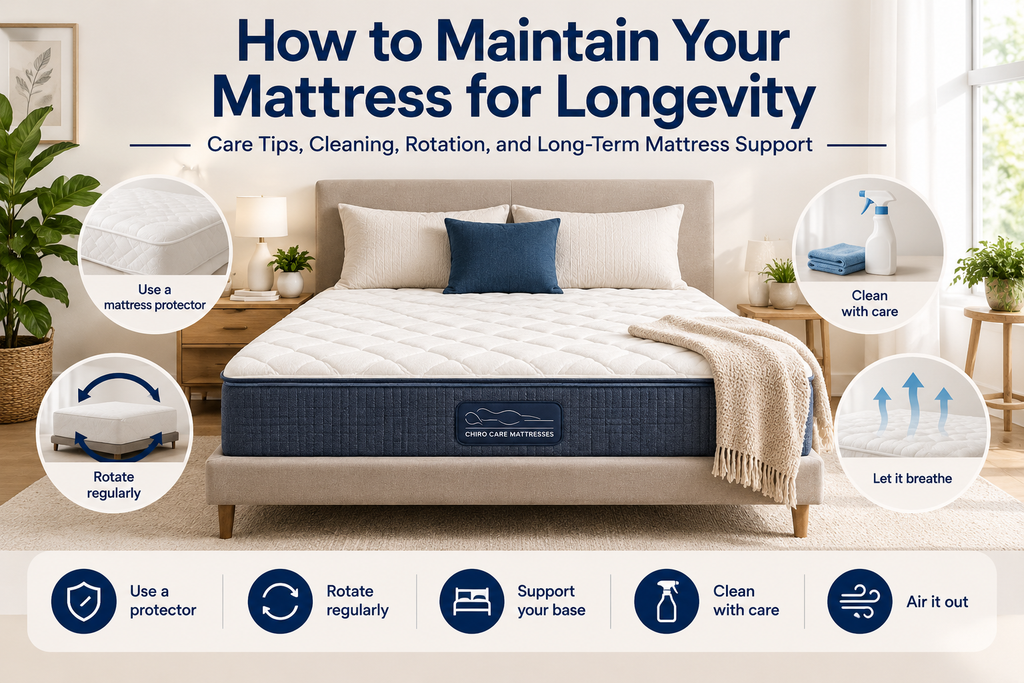
A quality orthopaedic mattress should last between 8 and 10 years, with premium models often exceeding this when properly cared for. Signs that your mattress needs replacing include visible sagging, a change in the firmness you felt when new, waking with pain that wasn't present before, or disturbed sleep due to partner movement, a sign that the spring system is degrading. Rotating your mattress every three to six months extends lifespan.
Can an orthopaedic mattress help with sciatica?
It can help manage symptoms, yes. Sciatica involves compression or irritation of the sciatic nerve, often aggravated by poor hip and pelvic alignment during sleep. A mattress with targeted hip pressure relief and zoned lumbar support reduces the compressive forces that exacerbate nerve pain overnight. Side sleepers with sciatica often benefit from placing a pillow between the knees in addition to switching to a supportive orthopaedic mattress. However, sciatica has underlying causes that require professional diagnosis and treatment, a mattress supports management, not cure.
What's the difference between a memory foam mattress and an orthopaedic mattress?
Memory foam is a material; orthopaedic is a design category. A mattress can be both, some orthopaedic mattresses use memory foam comfort layers over high-density support cores. The distinction is that memory foam alone does not guarantee orthopaedic support; it contours to the body but does not always provide the zoned structural support that back pain sufferers need. Conversely, orthopaedic mattresses may use pocket springs, latex, high-density foam, or hybrid combinations, memory foam is one option within that broader category.
Do I need a special bed base for an orthopaedic mattress?
Not always, but your base matters. Orthopaedic mattresses perform best on a solid platform base or a slatted base with slats no more than 7cm apart. A base with slats that are too widely spaced allows the mattress to dip between them, undermining the zoned support structure. Old or worn divan bases can similarly compromise performance. If you're investing in a quality orthopaedic mattress, it's worth assessing your base at the same time, a good mattress on a failing base will not deliver its intended benefits.