

What is a Pocket Spring Mattress and is it Right for You?
Pocket spring mattresses are consistently among the most popular mattress types in Australia, and for good reason. They offer a combination of support, breathability, and motion isolation that suits a wide range of sleepers. But like any mattress type, they are not the right choice for everyone.
This article explains how pocket spring mattresses actually work, what makes them different from other types, and how to tell if one is the right fit for you.
How Pocket Spring Mattresses Work
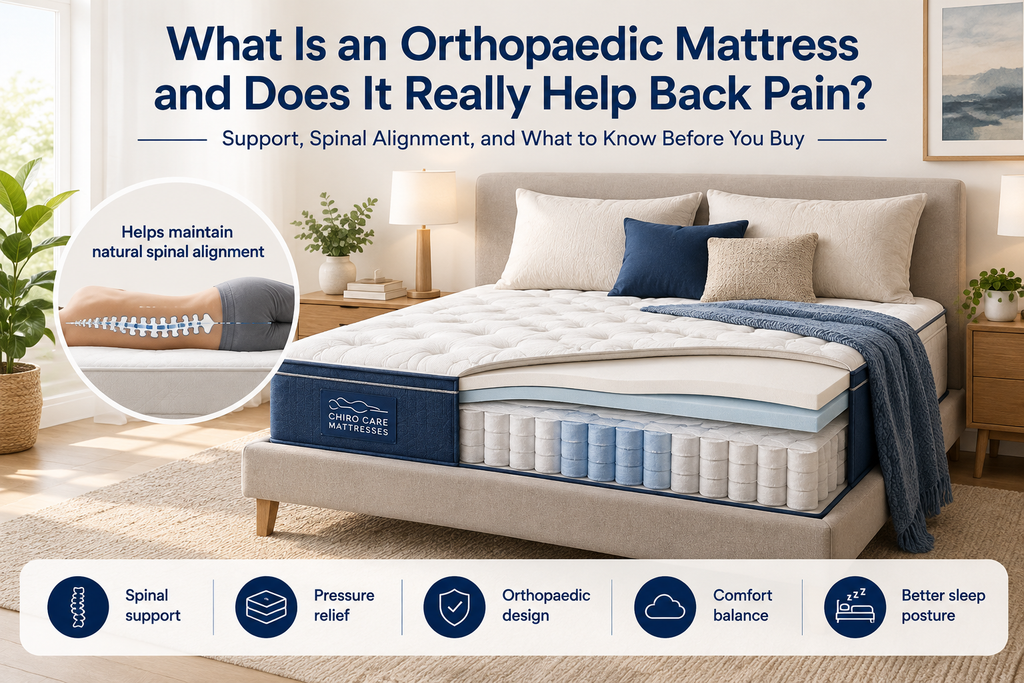
A pocket spring mattress is built around a core of individually encased coil springs. Unlike older innerspring mattresses where all the coils are connected in a continuous network, each spring in a pocket spring system sits inside its own fabric pocket.
This individual encasing means each spring can compress and respond independently to the pressure applied to it. When you press down on one area of the mattress, only the springs in that area move. The springs a few centimetres away remain unaffected.
This is the key mechanical difference that drives all of the practical benefits pocket springs provide.
What Makes Pocket Springs Different From Bonnell Springs
The older alternative to pocket springs is the bonnell or open coil spring system, where all the springs are joined together in a single interconnected unit. When one part of this system is compressed, the movement travels through the network and can be felt across a wider area of the mattress.
Pocket springs avoid this by isolating each coil. The result is better targeted support and significantly less motion transfer between different parts of the mattress.

The Main Benefits of Pocket Spring Mattresses
Motion isolation is one of the standout advantages of pocket springs. Because each coil responds independently, movement on one side of the mattress is less likely to be felt on the other side. This makes pocket spring mattresses particularly well suited to couples, especially if one partner moves around a lot or gets in and out of bed at different times.
Breathability is another key advantage. The space between individual springs allows air to circulate through the mattress, which helps regulate temperature during sleep. For people who tend to sleep warm, this is a real practical benefit compared to solid foam mattresses.
Zoned support is something many quality pocket spring mattresses offer. The spring coils in different areas of the mattress can be designed with varying tension levels, providing firmer support in the lumbar area and softer cushioning in the shoulder and hip zones. This zoning helps maintain spinal alignment regardless of sleep position.
Durability is generally strong in well-made pocket spring mattresses. Because each spring works independently, the system does not break down uniformly. High-quality spring wire and well-constructed fabric pockets contribute to a mattress that maintains its support over many years.
Feel and responsiveness is another area where pocket springs excel. Many people find foam mattresses feel too slow to respond when they change position. Pocket springs have a more responsive, supportive feel that makes it easier to move around during the night.
Spring Count: Does it Matter?
Spring count refers to the number of individual coils in the mattress. You will often see this used as a marketing figure, with higher counts presented as automatically superior.
Spring count does matter, but context is important. More springs generally means finer-grained support and better contouring to the body, because each spring covers a smaller area. A mattress with 1,000 springs in a queen size will provide more precise support than one with 400 springs.
However, spring count alone does not tell you much about the quality of the springs themselves. A mattress with 2,000 lower-quality springs may not outperform one with 1,000 high-tension, well-constructed coils. Look at spring count alongside the gauge of the wire and the quality of the surrounding materials.
Who Suits a Pocket Spring Mattress
Pocket spring mattresses work well for a wide range of sleepers. They are particularly well suited to couples because of their motion isolation properties, to back sleepers who benefit from the responsive, supportive feel, and to people who tend to move around during the night and need a mattress that responds quickly to position changes.
They also suit people who sleep warm, as the open structure of the spring system promotes better airflow than solid foam.
People who prefer a very close, body-contouring feel may find that a pure memory foam mattress suits them better. Memory foam moulds more closely to body contours, whereas pocket springs provide a more traditional 'on top of' sleeping feel.
Who Should Choose a Pocket Spring Mattress?
A pocket spring mattress is suitable for a wide range of sleepers thanks to its supportive design and ability to adapt to different body types.
It may be an ideal choice if you:
- Sleep on your side and need pressure relief around your shoulders and hips.
- Prefer sleeping on your back and require consistent spinal support.
- Share your bed with a partner and want to reduce movement disturbance.
- Tend to sleep hot and prefer a mattress with improved airflow.
- Want a supportive mattress that combines comfort with long-term durability.
Choosing the right mattress also depends on your preferred sleeping position. If you're unsure which mattress is best for the way you sleep, read our guide on choosing the ideal mattress for your sleeping position.
Pocket Spring vs Memory Foam: Key Differences
The most common comparison people make is between pocket springs and memory foam. Both have genuine strengths.
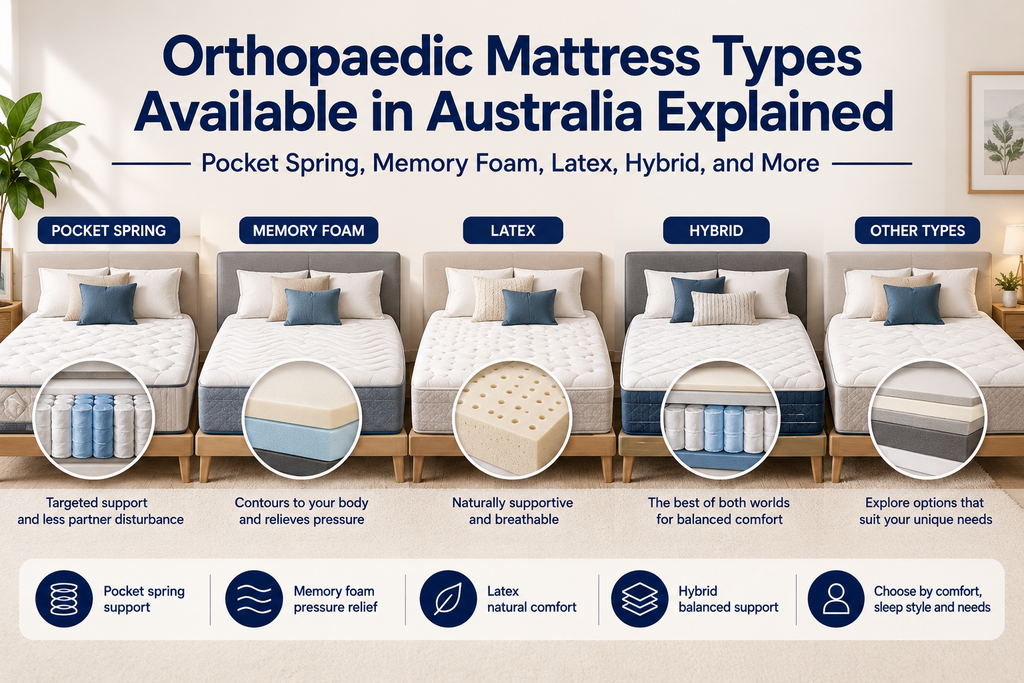
Pocket springs respond more quickly to body movement, sleep cooler, and provide a more traditional feel. Memory foam contours more closely to the body, provides excellent pressure relief, and is completely silent.
Hybrid mattresses have become popular precisely because they combine pocket springs with one or more layers of memory or gel foam, giving sleepers the responsive support of springs alongside the pressure relief of foam. This is worth considering if you like the idea of both types but are not sure which to prioritise.
Also Read: Memory Foam vs Pocket Spring Mattress: Which is Better for Sleep?
Pocket Spring Mattresses at Chiro Care Mattresses
At Chiro Care Mattresses, our pocket spring range spans entry-level to premium options across all standard Australian sizes. All of our pocket spring mattresses feature individually encased coils with comfort layers designed to complement the support of the spring system.
If you would like help choosing the right pocket spring mattress for your sleep style and budget, visit one of our Melbourne stores or contact our team online.
Final Thoughts
A pocket spring mattress remains one of the most popular choices for Australians looking for long-lasting comfort and support. Its individually wrapped springs provide targeted pressure relief, reduce partner disturbance, and promote healthy spinal alignment, making it suitable for a wide range of sleeping styles.
When choosing the right mattress, remember to consider more than just the spring count. Factors such as firmness, comfort layers, edge support, and overall construction all contribute to your sleeping experience. By selecting a quality pocket spring mattress that suits your needs, you can enjoy better comfort and more restful sleep for years to come.
If you're ready to upgrade your sleep, explore our Pocket Spring Mattress collection or visit one of our Melbourne showrooms to find the right mattress for your comfort preferences and budget. You can also read our guide on how to choose the right mattress to help you make an informed decision before buying.
FAQs
What is a pocket spring mattress?
Pocket spring mattresses feature individual coils wrapped in separate fabric pockets, allowing each spring to move independently responding to your body's weight distribution. This design reduces motion transfer between sleeping partners and provides targeted support to different body areas compared to traditional interconnected coil systems, enhancing comfort and spinal alignment.
Is a pocket spring mattress good?
Yes, pocket spring mattresses excel at providing responsive, targeted support with minimal motion transfer—ideal for couples and those needing spinal support. They're durable, breathable, and prevent heat retention better than memory foam. Quality pocket spring mattresses represent excellent long-term investments for most sleepers, though premium prices reflect their superior construction.
What type of spring mattress is best?
Pocket spring mattresses outperform traditional spring systems in support, motion isolation, and durability. Look for high coil counts (more springs = better support distribution), properly zoned designs offering varied firmness in different areas, and quality comfort layers above the springs. Hybrid pocket spring mattresses combining coils with foam offer optimal benefits.
Should you flip a pocket spring mattress?
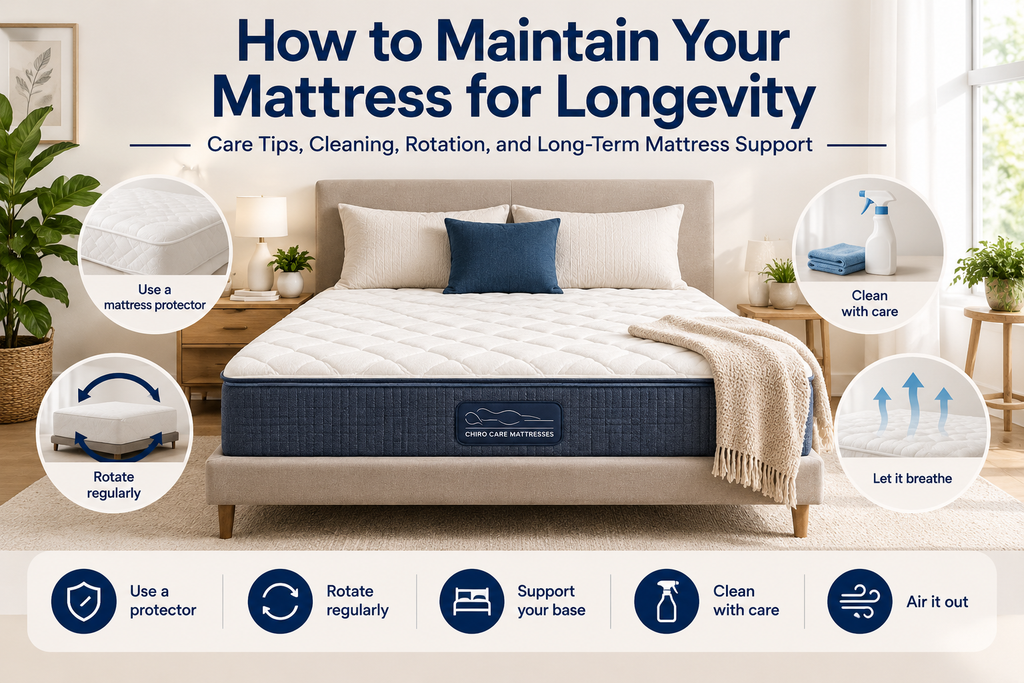
Modern pocket spring mattresses are typically one-sided design and shouldn't be flipped. Instead, rotate them regularly (head to foot every 3 months) to promote even wear and prevent sagging. Check manufacturer guidelines as some premium models may have double-sided options. Proper rotation extends mattress life and maintains consistent support throughout its lifespan.
How Long Does a Pocket Spring Mattress Last?
A quality pocket spring mattress typically lasts 8 to 10 years with proper care. Using a mattress protector, rotating it regularly, and placing it on a suitable bed base can help extend its lifespan. If it begins to sag or no longer provides proper support, it's time to consider a replacement.
21
Sep
RECENT POSTS