

Memory Foam vs Pocket Spring Mattress: Which is Better for Sleep?
Memory foam and pocket spring are the two most popular mattress types in Australia, and choosing between them is one of the first decisions most mattress buyers face. Both have genuine strengths, and neither is objectively better. The right choice depends on how you sleep, who you share the bed with, and what you value most in a mattress.
This article gives you an honest, practical comparison to help you make the right call.
How Each Type Works
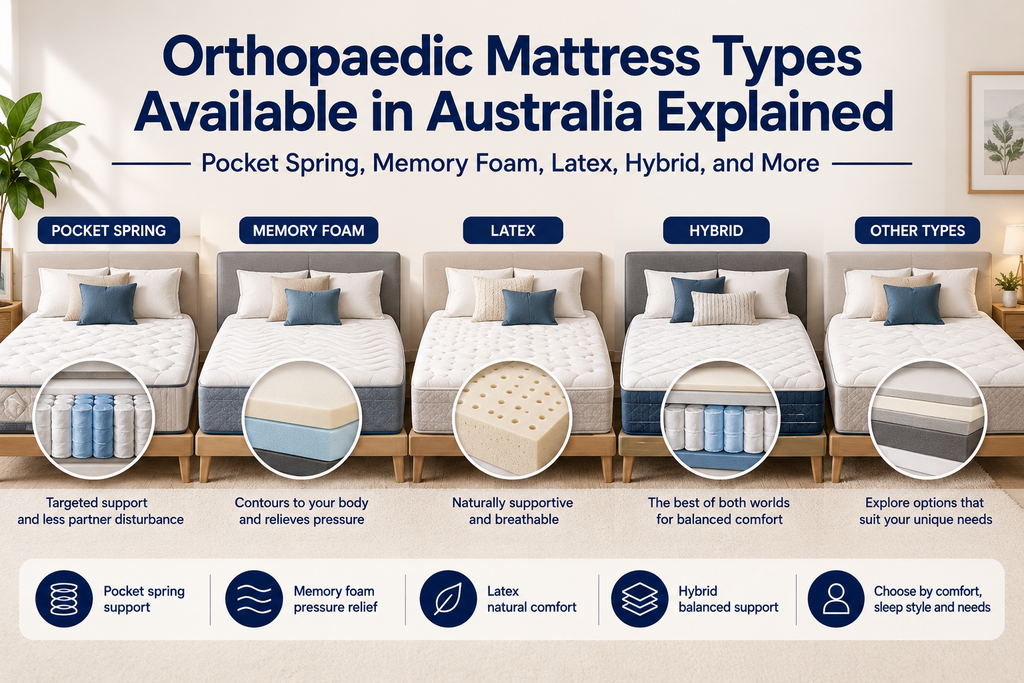
Memory foam is a viscoelastic material that responds to body heat and pressure. When you lie on it, it softens and conforms closely to the shape of your body. When you get up, it slowly returns to its original shape. This close contouring is the defining characteristic of memory foam.
Pocket spring mattresses use individually encased coil springs. Each spring is wrapped in its own fabric pocket and can compress independently of the springs around it. The springs push back against pressure rather than conforming to it, giving a more responsive, traditional feel.
Feel and Sleeping Experience
The feel difference between these two types is significant. Memory foam gives a 'sinking in' sensation. Many people find it comfortable and embracing, particularly those who sleep on their side and want their hip and shoulder to be well cushioned. Others find it feels too slow to respond when they change position, or like they are sleeping in a hole rather than on top of the mattress.
Pocket springs have a more responsive, buoyant feel. You sleep more on top of the mattress than inside it. Position changes feel easier and more natural. Many back sleepers and combination sleepers prefer this.
Neither feel is objectively better. It is genuinely a matter of personal preference, and the best way to find out which you prefer is to try both in a showroom.
Support and Spinal Alignment
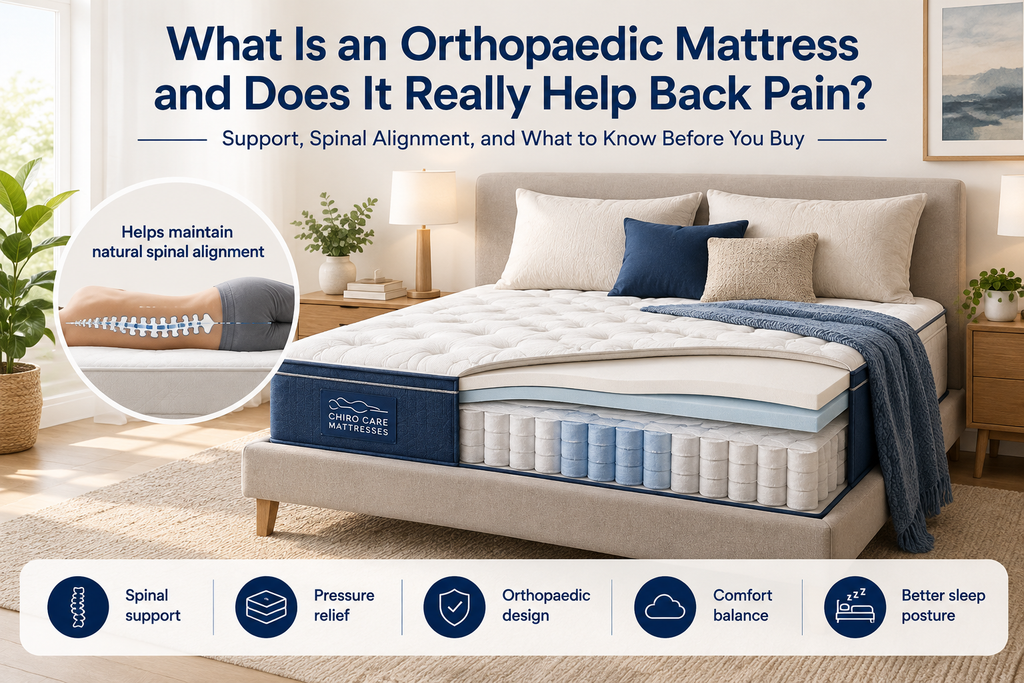
Both memory foam and pocket spring mattresses can provide excellent spinal support when well made. The key is that support needs to match your body type and sleep position.
Memory foam excels at filling the contours of the body, including the natural curve of the lower back for back sleepers, and allowing the hips and shoulders of side sleepers to sink in at an appropriate depth. It distributes weight very evenly, which reduces pressure point pain.
Pocket springs provide firmer, more responsive support. Higher-quality pocket spring systems can be zoned, with different spring tensions in the lumbar area versus the shoulder area. This targeted zoning can be very effective for people with specific back support needs.
In practical terms, memory foam tends to work slightly better for side sleepers and those with pronounced pressure point issues. Pocket springs tend to work well for back sleepers, stomach sleepers, and those who prefer a firmer, more responsive surface.
Temperature and Sleep Comfort
Temperature is one of the most common criticisms of traditional memory foam. The dense, contouring material retains body heat, which can make some people sleep warmer than they would like.
Modern memory foam has addressed this to varying degrees. Open-cell foam construction allows more airflow than traditional closed-cell foam. Gel-infused foam is specifically designed to draw heat away from the sleeping surface. These improvements have made the latest generation of memory foam significantly cooler than older versions.
Pocket spring mattresses are naturally more breathable. The space between the spring coils allows air to circulate freely through the mattress, which helps regulate temperature. For people who sleep hot, particularly in warmer Australian climates, this is a genuine advantage of spring mattresses.
If you are a warm sleeper and this is a priority, a pocket spring or gel foam option is usually a better starting point.
Motion Isolation
If you share a bed, motion transfer matters. When your partner moves or gets up during the night, how much of that movement do you feel?
Memory foam is excellent at absorbing and isolating motion. Because the material compresses under pressure and does not transmit movement across its surface well, you are unlikely to feel your partner's movements.
Pocket springs also offer good motion isolation, better than older interconnected spring systems. Because each coil is independent, movement in one area of the mattress is less likely to be transmitted across the whole surface. The isolation is generally very good in high-quality pocket spring mattresses.
For light sleepers who are easily disturbed, both types can work well. Some people find memory foam the slight winner on motion isolation, but modern pocket spring mattresses have closed the gap considerably.
Durability and Lifespan
Both types, when well made, should last eight to ten years. Memory foam can develop body impressions over time, particularly in lower-density foams. Pocket spring mattresses may see the comfort foam layers on top degrade before the spring system itself shows wear.
The construction quality and the density of materials used matter more than the type when it comes to longevity. A premium pocket spring mattress will outlast a budget memory foam one, and vice versa.
The Hybrid Option
If you like the idea of both types, a hybrid mattress is worth serious consideration. Hybrids pair a pocket spring base with one or more layers of memory or gel foam.
The result is a mattress that provides the responsive, breathable support of pocket springs alongside the pressure relief and contouring of foam. Many people find this combination the best of both worlds, and hybrids have become increasingly popular as a result.
At Chiro Care Mattresses, we carry pocket spring, memory foam, gel foam, and hybrid options across all standard Australian sizes. If you are trying to decide between types, our team can walk you through the differences in person.
FAQs
Which mattress is better, memory foam or spring?
Memory foam excels at pressure relief and contouring for pain management, while springs offer responsive support and superior breathability. Spring mattresses typically last longer with minimal sagging. Choose foam for pain relief and pressure point issues, springs for support and durability, or hybrids combining both benefits for comprehensive comfort.
Do foam mattresses last as long as spring?
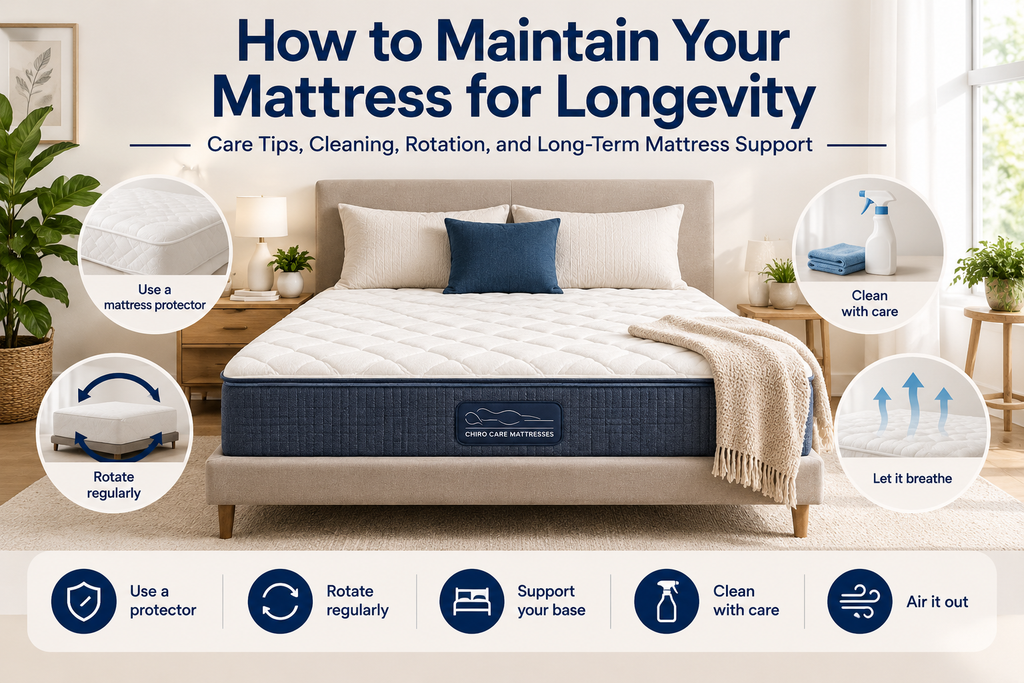
Quality pocket spring mattresses typically outlast pure memory foam, lasting 10+ years versus 7-8 years for foam. Foam breaks down faster under body weight, though premium brands perform better. Hybrid options combining foam comfort with spring support often provide optimal longevity. Proper care, rotation, and protection extend lifespan for both mattress types significantly.
21
Sep
RECENT POSTS